

I divide all my activities into 4 projects. Here is a separate summary by each of them.
Sitechecker
At the beginning of the year, I finally told myself the truth that we don’t have product-market fit at Sitechecker yet.
And when you don’t have it, setting any goals for Revenue growth in percentages makes little sense.
We had 2 problems at once:
Bad retention, because the basis of the product was a technical site audit, which is regularly needed only by large sites
The main acquisition channel (SEO) sent us the wrong audience.
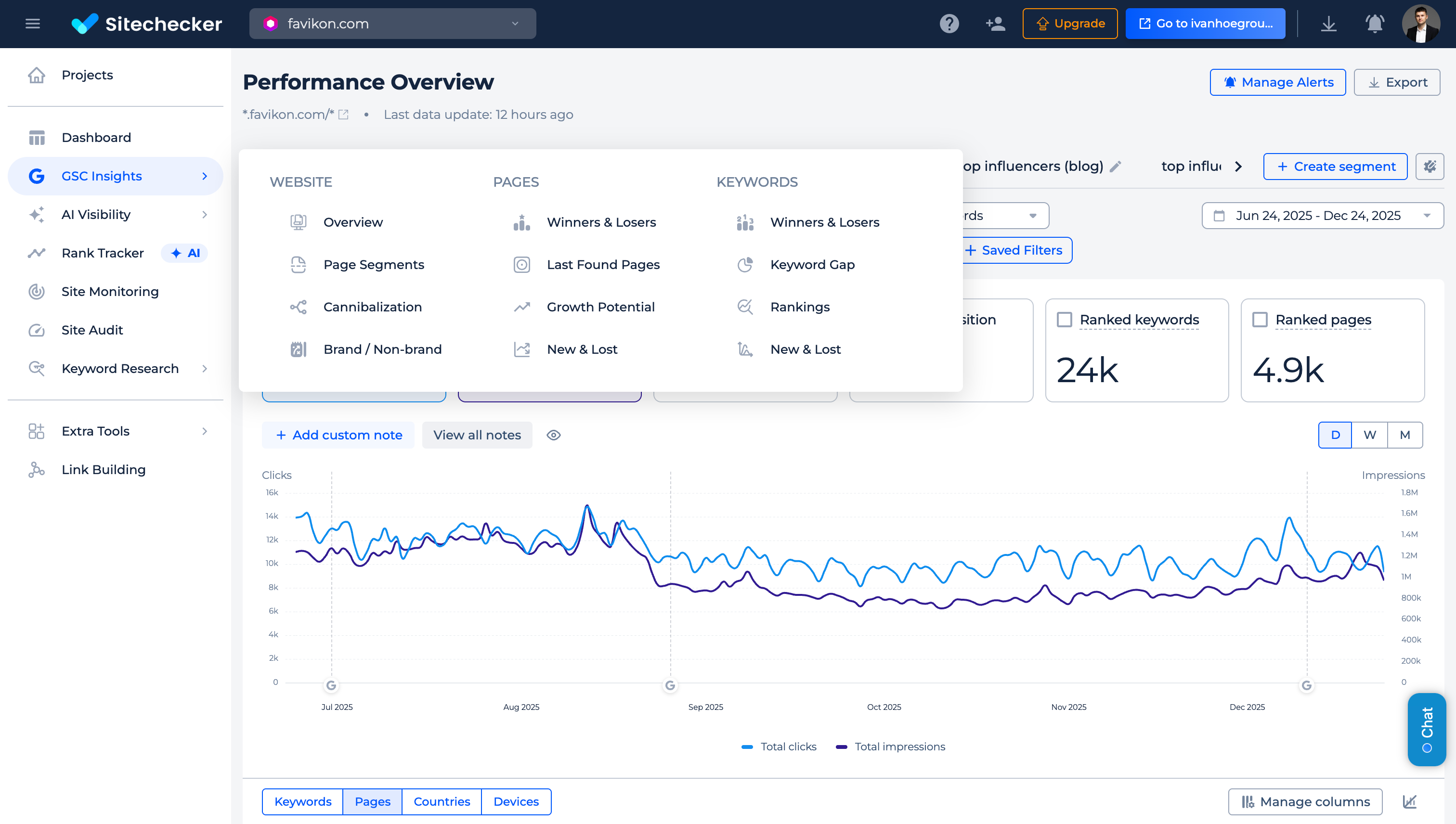
For the product, we decided to build advanced analytics based on GSC / GA4.
I saw demand for this building and distributing my own Looker Studio templates, as well as an example of the growth of mono-tools SEOgets and SEOstack.
As always, it took longer than we wanted, and we still haven’t finished, but this bet has paid off, and now it is one of the main reasons people buy the tool.
When it comes to customer acquisition, I took Rob Snyder’s product-market fit assessment model and decided to follow it step by step:
Main goal is to convert users to demos instead of self-sales, even if the unit economics don’t work yet.
You can understand customer needs and what exactly motivates them to buy your product only with a significant number of calls, ideally 40-50 demos per month.
While there are no such numbers of calls, all other problems are irrelevant.
So, we changed our focus in user acquisition to cold email outreach, LinkedIn outreach, and paid LinkedIn ads, but only in Q4. This gave results (we currently have about 30 demos per month), but their fruits should be fully manifested only next year.
In general:
we reduced the Monthly Churn Rate by several percent;
we increased ARPU and LTV;
we are currently attracting fewer customers than before, but all these customers are from the same segment and a similar use case.
The main goal for the next year is to scale paid advertising and increase conversion from demos to sales through the right product solutions.
Ivanhoe Digital (Looker Studio templates)
This direction brought in $4k in a year. I didn’t pay enough attention to it, as I devoted all my free time to consulting, which brings in more.
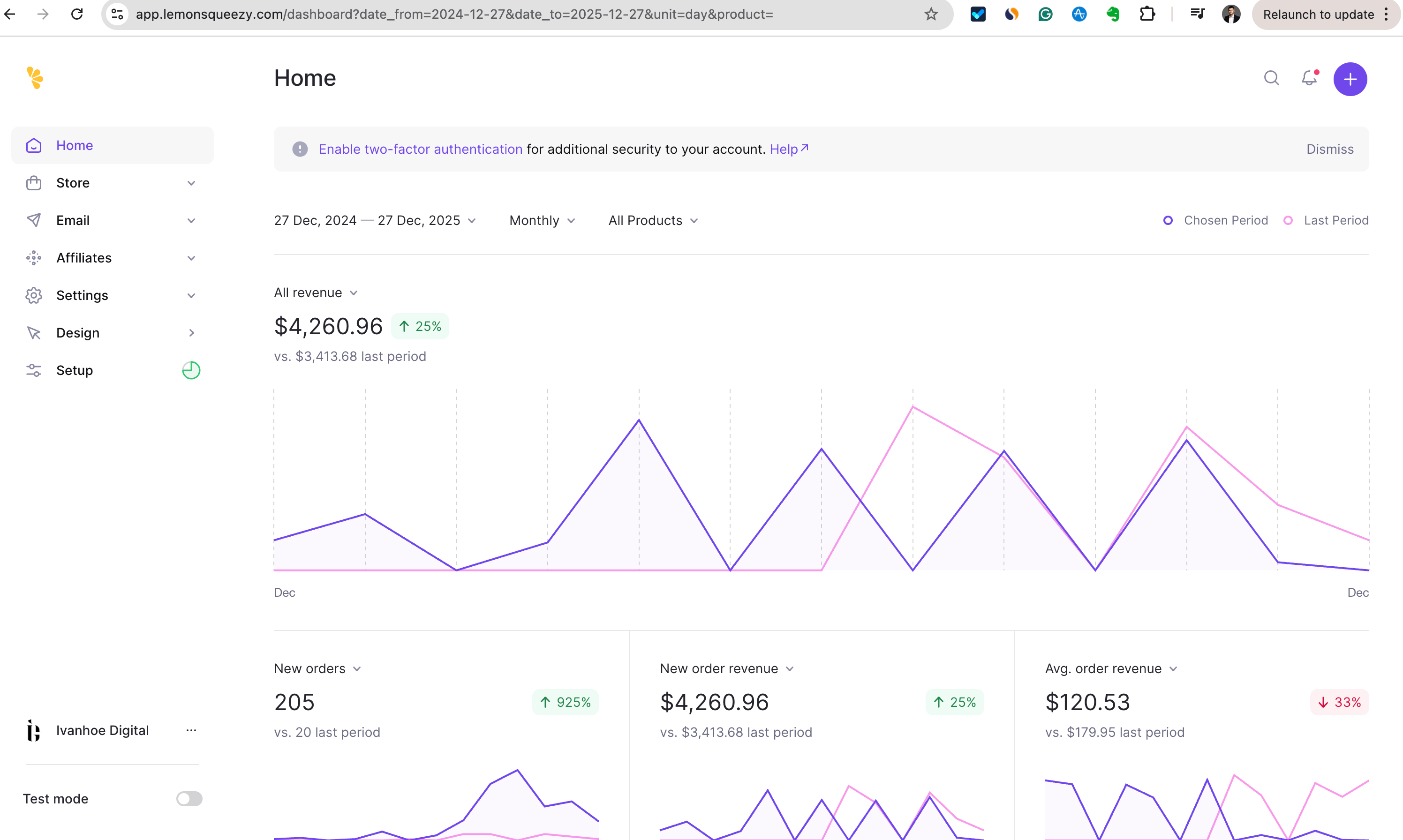
But I made 2 important changes that I regret not having done earlier:
1/ I turned the site into an e-commerce store on WooCommerce.
Before that, it was just regular pages with a payment button without any design. It still needs a normal design, but orders are coming in.
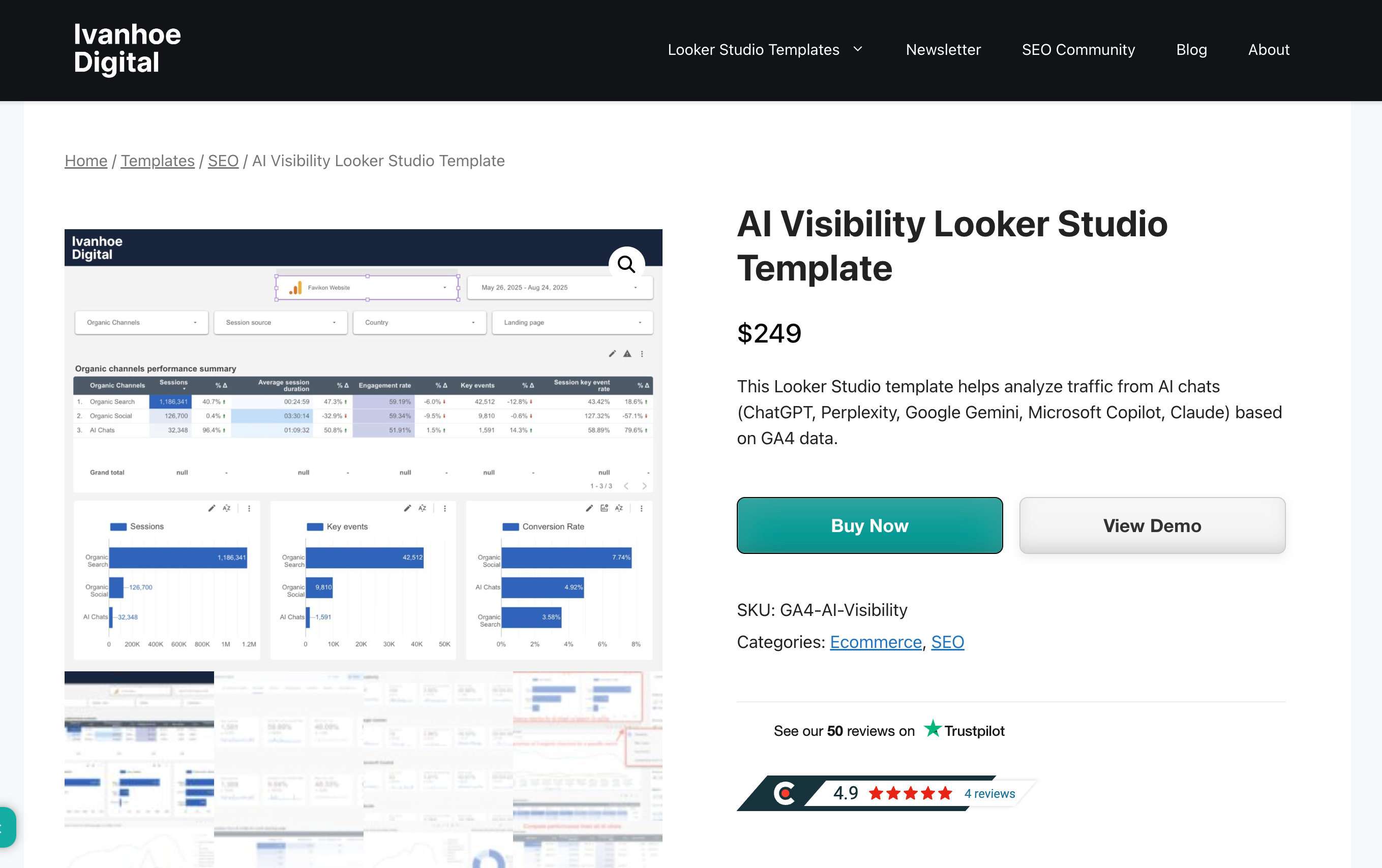
2/ I added the ability to get free templates through the cart, where you need to at least enter your email to get the template.
I see that the leader in this niche earns an average of $10k per month without investing in advertising and with almost zero operating expenses, and I predict that I can also reach this figure if I successfully implement the following steps:
Adding a beautiful website design to build trust and improve conversion.
Create a separate all-in-one offer that includes all templates for $1k.
Hack distribution through content marketing, where my competitor is underperforming (LinkedIn, Twitter, Reddit, newsletter).
Even if these steps don’t work, I plan to keep this direction, as this project nicely reinforces other projects. Templates work well as lead magnets for services and software where LTV is much higher.
SEO growth advisorship
I started the year with one regular client, a startup from France, influencer marketing platform Favikon. The owner, Jeremy Boissinot, wrote to me in November 2024 after reading my posts on LinkedIn.
In the second half of 2025, I began to receive more and more requests for consulting and a separate service on Reddit SEO, but I did not bring these leads to sales, as there was no time for them, and I realized that further in this direction can only be developed in the agency format or by switching to full-time consulting.
I asked some top SEO advisors how much they charge clients per month, what services they provide, how many clients they manage at the same time, and why they do not switch to the agency format.
This was the most interesting and important strategic question that I wanted to solve for myself.
Consultants working with US-based companies charge $5k-6k and manage 4-5 clients at a time. At first, I liked this model more than an agency, but when I started experimenting with Reddit SEO, parasite SEO on Medium, and in general, the more requests I received from B2B SaaS companies, the more I noticed that:
Recommendations alone are not enough. To deliver a good result, you need a strategy and a lot of work, which a junior SEO or content marketer should do.
When working with one type of company, this service can be standardized quite a lot and packaged into a product, gradually reducing its cost and increasing the price.
Some things can only pay off if you do them for 10-20 clients at once.
Therefore, an agency looks like a better solution for now. I have already come up with the B2B Gaps brand and launched a draft of the site.
Personal brand/build in public
I continue to use social media, because it is a good lever for the growth of the three projects mentioned above.
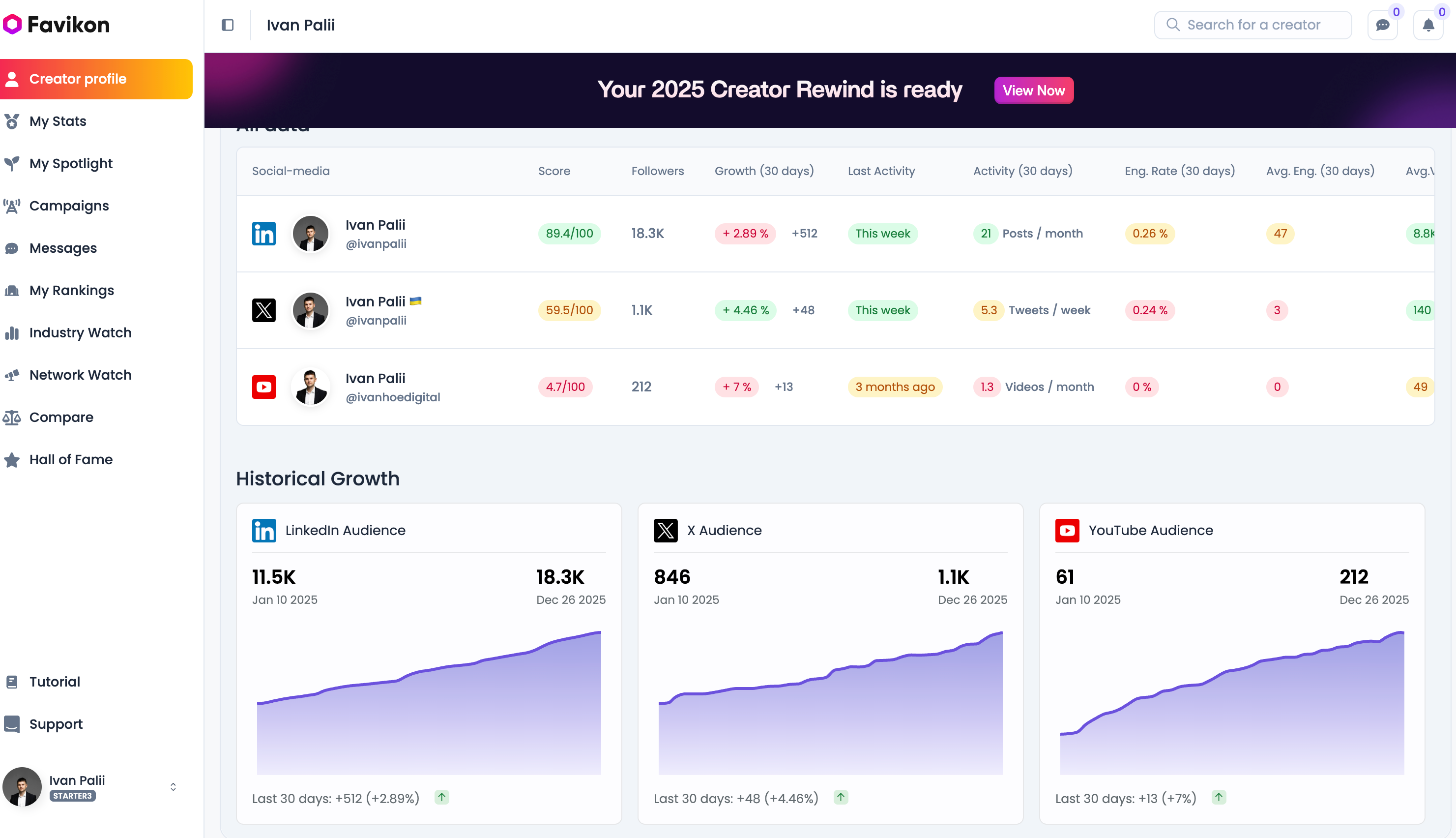
LinkedIn gives me the most leads and clients, but my growth has slowed down a lot, even though I made 200 posts per year:
LinkedIn continues to cut the organic reach of posts.
I published fewer lead magnets this year.
I’ve grown my LinkedIn audience from 11k to 18k subscribers, but the launch of thought leadership ads had a big impact on growth in Q4. I will tell about my experience with this type of advertising in one of the next newsletters.
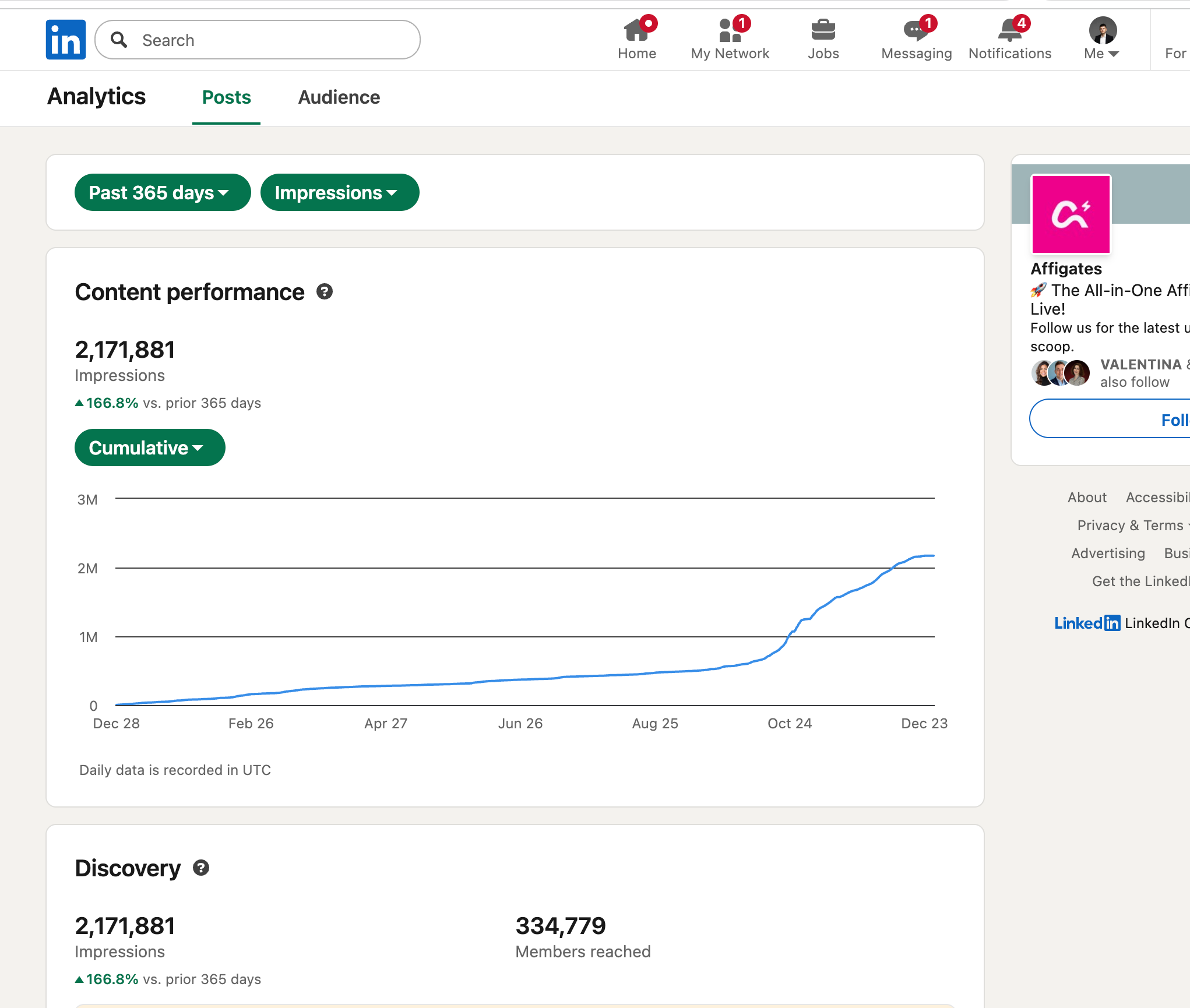
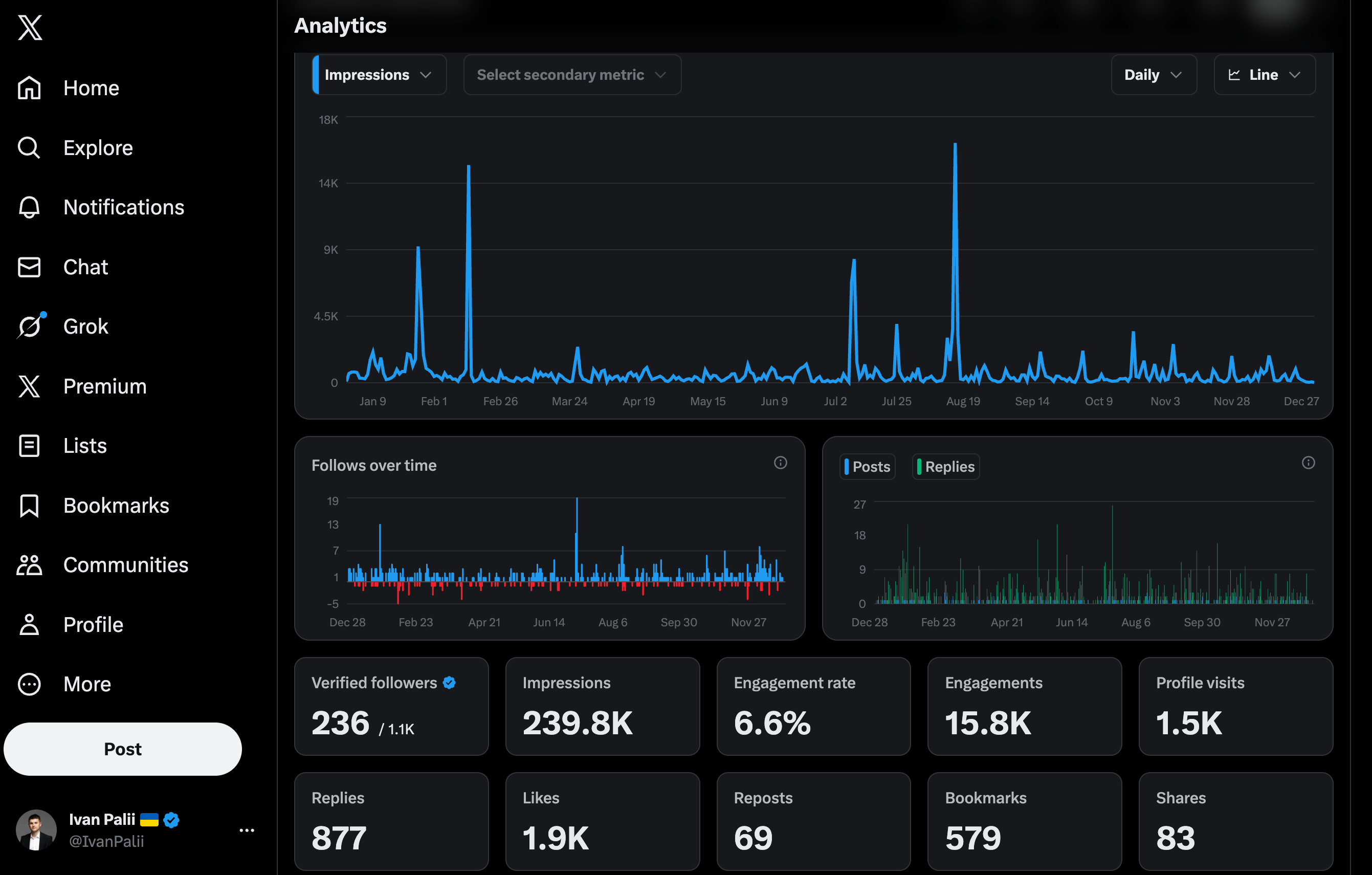
Also in Q3, I received 2 invitations to podcasts, one from LinkedIn, the second from Twitter.
This newsletter, Hack the Algo, grew to 500 subscribers, and this is a bad result. The reason is a few emails. Intellectually, this is the most difficult type of content.
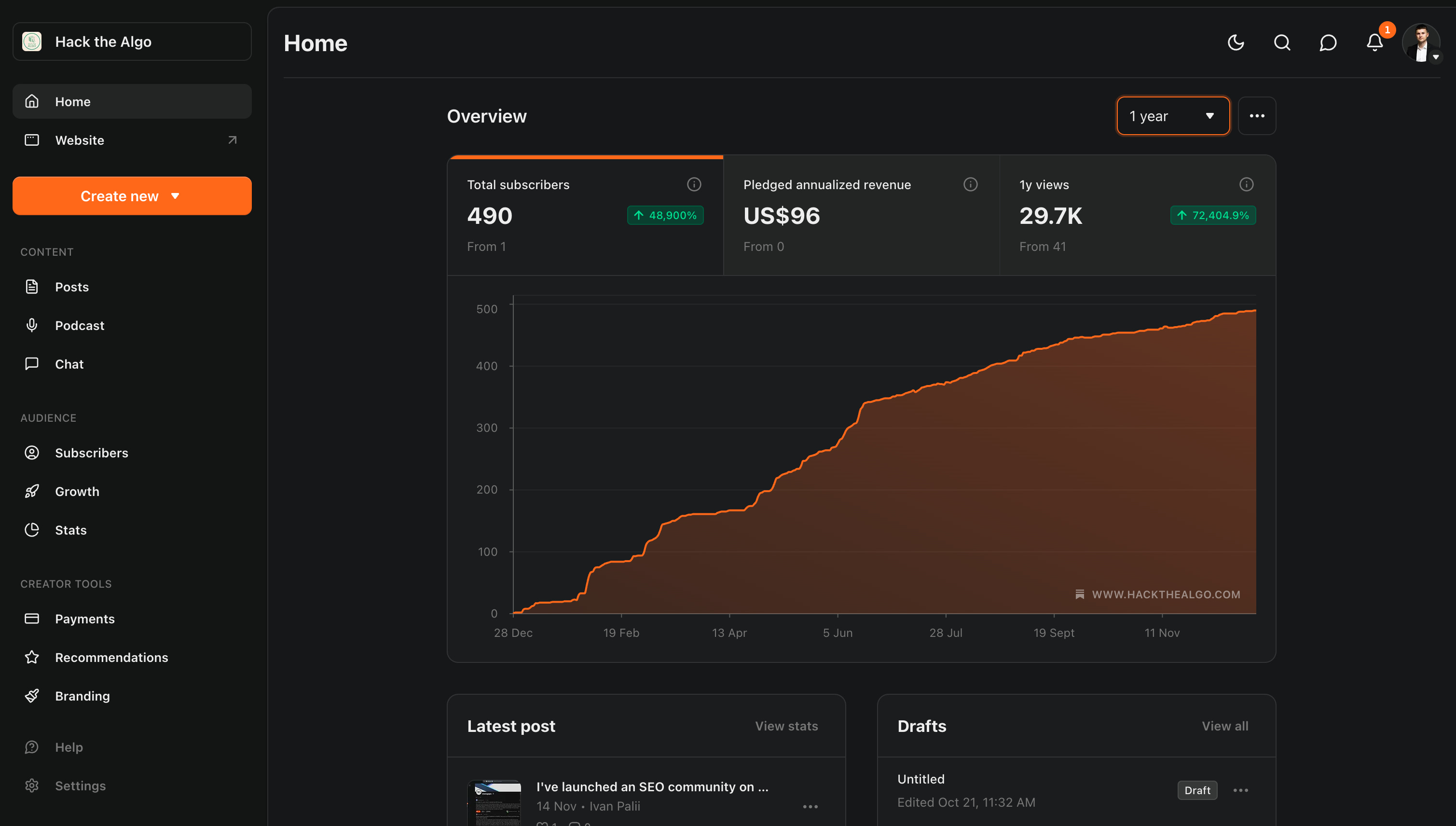
In the long term, I see the value in growing this channel, but it’s hard to sell myself on the idea of spending 3-4 hours on one post/letter per week, instead of spending it on something that can make money right now.